By choosing and continuing you agree to our Terms and Privacy Policy.
FiftyStrong
You're not unfit
Most women arriving here have been doing workouts built for a 30-year-old's body. Those stopped working for a reason — and the reason isn't effort.
Strength and balance training is the most effective thing available for what menopause does to muscle, bone and steadiness.
Continue
FiftyStrong
About you
How old are you?
45–49
50–54
55–59
60–64
65 or over
This sets the benchmarks we score you against.
FiftyStrong
About you
A year from now, what would you most want to be true?
Lose weight, especially around my middle
Feel steadier on my feet
Be stronger for everyday things
Move without stiffness in the morning
Have energy that lasts the whole day
FiftyStrong
About you
What's changed in the last few years?
Choose all that apply
I'm stiffer, especially in the morning
My energy dips through the day
I don't sleep the way I used to
I feel less steady on my feet
Things feel heavier than they used to
My shape has changed, mostly around the middle
Hot flushes or night sweats
Honestly, not much
Continue
FiftyStrong
About you
It's physiology. Not willpower.
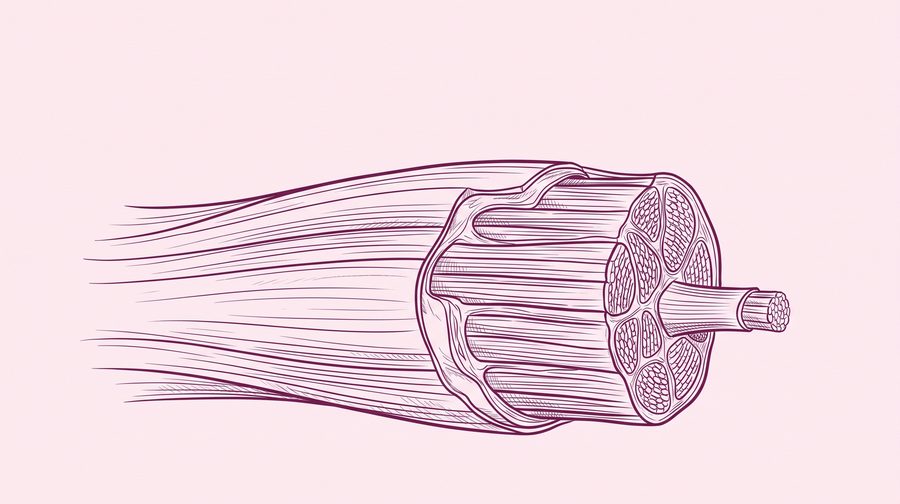
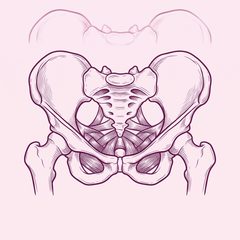
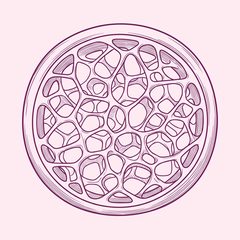
Oestrogen doesn't only affect your cycle. There are receptors for it in all four of these — which is why so much changed at once.
Bone
Muscle
Tendon
Cartilage
You said you want to be stronger for everyday things. Lean muscle falls about half a percent a year through the transition — it's the most reversible thing on your list.
Stiffness and strength are the two that respond fastest.
Continue
FiftyStrong
How you move today
In a typical week, how much do you move?
Everyday movement counts — walking, gardening, housework.
Not much beyond getting round the house
A walk most days, nothing planned beyond that
A walk most days, plus a class, a swim or gardening
I exercise on purpose, three times a week or more
FiftyStrong
How you move today
Can you get up from the floor without using your hands?
Yes, easily
Yes, but it takes effort
I need a hand, or something to push off
I avoid getting down there
No wrong answers — this just sets your starting point.
FiftyStrong
How you move today
Can you carry shopping up a flight of stairs without stopping?
Yes, no problem
Yes, but I'm puffed at the top
I need to stop partway
I avoid stairs with anything heavy
FiftyStrong
How you move today
Can you stand on one leg for 10 seconds?
Yes, either leg
A few seconds
Not really
I've never tried
Hold a chair back if you need to — that's an answer too.
FiftyStrong
How you move today
By mid-afternoon, how do you usually feel?
Still going
Flagging, but fine
I need to sit down
I'm done by then
FiftyStrong
How you move today
Where do you feel stiff or achy in the mornings?
Choose all that apply
Knees
Hips
Lower back
Shoulders or neck
Hands
Feet or ankles
Nowhere much
Continue
FiftyStrong
How you move today
These aren't separate problems
Stiff hips, a shoulder that won't free up, hands that ache in the morning — most women collect them one at a time and assume they're just wearing out.
One cause: falling oestrogenNamed as a syndrome in 2024. Over 70% of women get it.
Oestrogen receptors sit in cartilage, tendon and the lining of your joints. In 4 of 10 women who are scanned, the imaging comes back completely normal.
Continue
FiftyStrong
How you move today
Do you ever leak when you cough, sneeze, laugh or jump?
Never
Once in a while
Fairly often
I've stopped doing things that set it off
We ask because it changes what we'd put in your plan.
FiftyStrong
How you move today
Then we won't ask you to jump
Around half of women your age would give the same answer, and almost no exercise programme thinks to ask.
Jumping raises the pressure inside your abdomen faster than your pelvic floor can meet it. So we'll load your bones a different way — and add pelvic floor work, which has good evidence behind it.
Continue
FiftyStrong
How you move today
Anything we should work around?
So we can choose movements that are safe for you.
Osteoporosis or osteopenia
A joint replacement
Back or neck problems
A heart condition or high blood pressure
Recent surgery or an injury
Dizziness or balance problems
None of these
This helps us pick the right movements. It isn't medical advice — please check with your doctor before starting anything new.
Continue
FiftyStrong
How you move today
Your starting point
Mobility first, then strength
You said you want to be stronger for everyday things. Your answers say strength is holding up better than you'd think — it's stiffness making everything feel harder. Mobility first gets you to strong faster.
StrengthHolding upYou got off the floor, and managed the stairs
MobilityStart hereNeeds attentionHips and lower back, most mornings
BalanceRoom to buildA few seconds on one leg
EnergyHolding upFlagging by mid-afternoon, but fine
Continue
FiftyStrong
Your week
How are you sleeping?
Well, most nights
I fall asleep fine, but wake in the night
Night sweats wake me
I'm tired most of the time
This sets how long your sessions are.
FiftyStrong
Your week
Are hot flushes or night sweats part of your day?
Not really
A few times a week
Several times a day
They run my day
We can't stop these — but we can make sure your sessions don't set them off.
FiftyStrong
Your week
Who else are you looking after at the moment?
Choose all that apply
Just me
My partner
Children or grandchildren, regularly
A parent, or someone else who needs me
Continue
FiftyStrong
Your week
What have you got at home?
Choose all that apply
A sturdy chair
Light dumbbells
A resistance band
A mat
Nothing yet
Continue
FiftyStrong
Your week
Three days. Fifteen minutes. A chair.
That's enough to work on what your answers pointed to.
Fifteen weeks of resistance training was enough to change body composition in postmenopausal women — at home, without losing a single pound.
Shown here for a mobility-first profile. Balance-first sees the falls figure; energy-first sees walking speed and endurance.
Continue
FiftyStrong
What matters
When you've tried to get moving before, what got in the way?
Choose all that apply
Everyone else comes first
I was worried I'd hurt myself
I didn't know what was safe for me now
I've started before and it didn't stick
Classes and gyms aren't for me
Nothing's really stopped me
Continue
FiftyStrong
What matters
Fifteen minutes is not selfish
When women in midlife are asked what stops them exercising, the answer isn't time — it's that everyone else comes first.
Which is why this fits in the gaps. No clear morning, no gym bag, nobody else's cooperation.
Continue
FiftyStrong
What matters
What matters most about staying strong?
Choose all that apply
Staying independent as long as I can
Being there for my family
Keeping my heart and bones healthy
Feeling better in myself
Not becoming someone who needs looking after
Continue
FiftyStrong
What matters
What should we call you?
Only used to make your plan feel like yours.
Continue
FiftyStrong
What matters
How are you feeling about starting?
I'm ready
Cautiously optimistic
Nervous, but I want to try
I'm not sure this will work for me
FiftyStrong
Putting your plan together
About youDone
How you move todayDone
Your week68%
What mattersWaiting
This takes about 20 seconds.
FiftyStrong
Your plan
Margaret — mobility first, then strength
Based on your 10 answers
What we'd work on first
1Morning stiffness — hips and lower back
2Lower-body strength for stairs
3Single-leg balance
Working around your back: no floor work in weeks 1–2, and no loaded bending at any point. No jumping — we'll load your bones another way.
Where this goes
MobilityNeeds attentionHolding up
BalanceRoom to buildHolding up
StrengthHolding upGoing well
EnergyHolding upHolding up
Where you are nowTypical by week 12
Mobility moves most because it's what we'd train first. Energy barely shifts — an honest projection has things that don't change. Typical for women starting where you did, not a promise.
How do I do it?
FiftyStrong
Your plan
What this usually looks like
Margaret, here's what changes first
Week 2Getting out of a chair without pushing off the arms
Week 4Mornings loosen — the first thing most women notice
Week 8Ten seconds on one leg, unsupported
Week 12Stairs with the shopping, no stop at the top
Typical, not promised. Based on what home strength-and-balance programmes achieve in women your age — no weight curve, because that isn't what we're changing.
Continue
FiftyStrong
Margaret, your plan is ready
Video-guided sessions built around your back and your pelvic floor, your four-week plan, and a tracker that shows what's actually moving.
Where you'd be after 12 weeks
TodayWeek 12
Getting off the floor
With effort
Without hands
Stairs with the shopping
Puffed at the top
No stop
Standing on one leg
A few seconds
10 seconds, unsupported
Mid-afternoon
Flagging
Still going
Your own four answers, and what women starting there typically reach. Not a promise.
What you get access to
9:41
Hips & lower back
↓Use the chair
0:120:20
Sit-to-stand, no hands
05:20elapsed
0:20
3 of 8moves
Follow-along videoEvery movement filmed, with a gentler version one tap away
9:41
Week 2 of 4
Good morning, Margaret
Mon
Wed
Fri
Mon
Wed
18 min
Hips & lower back
4 moves · seated and standing · a chair is all you need
Do today’s session0 of 4 movesHow did it feel?30-second check-inYour week1 of 3 sessions done
PlanProgressLearn
Your planThree sessions a week, and today's is already waiting
9:41
Learn
AllBones & jointsPelvic floorEnergy
Start here
Why strength training works differently after 50
6 min readClinician reviewed
Because you mentioned stiffness
Morning stiffness: what’s actually happening5 min readThe pelvic floor, explained without embarrassmentVideo · 7 minWhat we can and can’t promise about bone density4 min read
PlanProgressLearn
LearnWhy it's happening, and why the training answers it
Swipe to see all three. Everything opens in your browser — nothing to download.
Your first four weeks
Wk 1Loosen upHips, lower back and ankles. Nothing loaded yet. Most women tell us mornings feel different by about day five.
Wk 2Add a little loadSame mobility work, plus sit-to-stands and wall presses. Light, slow, controlled — your first strength week.
Wk 3Steady on your feetBalance comes in. Single-leg holds at the kitchen counter, then gradually without the hand.
Wk 4RetestYou redo the four movement checks from the quiz — and see exactly what moved. Then week 5 rebuilds around the new numbers.
Women who've done it
★★★★★
I stopped holding the banister
“Three months in I realised I'd carried the laundry downstairs without thinking about it. That used to be a two-trip job.”
Angela, 61 · Sheffield
★★★★★
I can sneeze again
“Nobody warns you about this bit. Eight weeks of the pelvic floor work and I've stopped planning my day around where the toilets are.”
Dawn, 54 · Cardiff
★★★★★
Up off the floor without hands
“I couldn't get up from playing with my grandson without grabbing the sofa. Now I can. That's the whole thing for me.”
Marie, 58 · Leeds
★★★★★
The afternoon slump went
“I expected to feel stronger. I didn't expect to stop crashing at three o'clock every day.”
Susan, 56 · Bristol
★★★★★
It didn't hurt the next day
“Every other programme left me too sore to do the next one. Fifteen minutes and a chair — I've actually kept it up for four months.”
Pauline, 63 · Glasgow
★★★★★
I stopped holding the banister
“Three months in I realised I'd carried the laundry downstairs without thinking about it. That used to be a two-trip job.”
Angela, 61 · Sheffield
★★★★★
I can sneeze again
“Nobody warns you about this bit. Eight weeks of the pelvic floor work and I've stopped planning my day around where the toilets are.”
Dawn, 54 · Cardiff
★★★★★
Up off the floor without hands
“I couldn't get up from playing with my grandson without grabbing the sofa. Now I can. That's the whole thing for me.”
Marie, 58 · Leeds
★★★★★
The afternoon slump went
“I expected to feel stronger. I didn't expect to stop crashing at three o'clock every day.”
Susan, 56 · Bristol
★★★★★
It didn't hurt the next day
“Every other programme left me too sore to do the next one. Fifteen minutes and a chair — I've actually kept it up for four months.”
Pauline, 63 · Glasgow
Specimen copy — real, verifiable quotes required before launch.
People often ask
I haven't exercised in years. Is this too advanced?No. Week 1 is mobility only, and every movement has a gentler version. Your answers put you at the gentler end already.
Do I need equipment?A sturdy chair to start. A band later, about $8 — we don't sell it.
Do I need to download anything?No. It all runs in your browser, on whatever you already use.
What exactly am I paying, and can I stop?$18 a month, and it renews at $18 — no introductory rate that jumps later. Cancel with one tap in your account, no phone call. If you cancel you keep access until the period you've paid for runs out.
What happens after four weeks?You retest, and the plan rebuilds around what changed. That's the part a PDF can't do.
Full accessYour 4-week plan · video-guided workouts · daily tracker$18a month